Polyurethane Crack Injection in Brampton
When water is coming through a crack in a poured concrete basement wall, polyurethane is usually the resin that stops it. It's the most common repair we do with crack injection, and the one most leaking cracks in Brampton need.
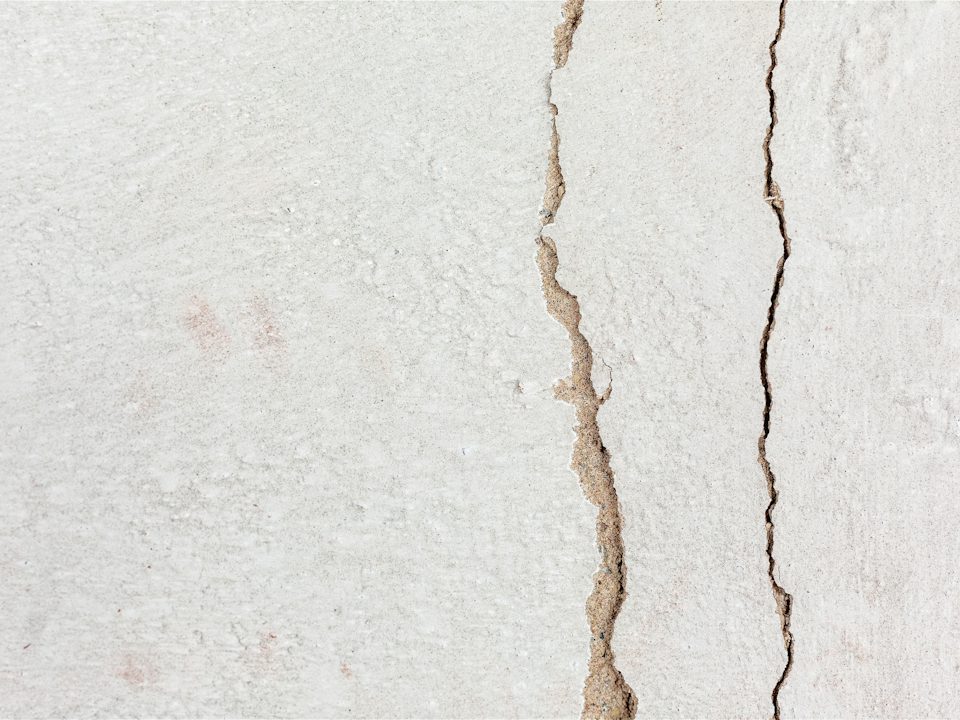
Polyurethane injectionPage 03
What is polyurethane crack injection? It's a leak repair where liquid polyurethane resin is pumped into a foundation crack through small ports. When it meets water, it expands into a flexible foam that fills the crack through to the soil side of the wall and blocks the water. Because it stays flexible, it can move a little with the wall.
Below: when polyurethane is the right choice, how the job runs, when it's the wrong one, how long it lasts, and what it costs.
When is polyurethane the right resin?
- The crack leaks, or shows water stains, rust or white powder after rain.
- The wall is poured concrete, not concrete block.
- The crack moves a little with the seasons, opening slightly in winter and closing in summer. A flexible seal handles that. A rigid one can crack again.
- The goal is to keep water out, not to bond the wall back together for strength.
If the crack is dry and stable and needs to be bonded, see epoxy crack injection instead.
How does a polyurethane injection run?
- Check the crack. Width, direction, whether one side has shifted, and whether it's leaking now.
- Set the ports. Injection ports go along the crack every few inches, and the face of the crack is sealed between them.
- Wet it if needed. Some polyurethanes need water to react, so a dry crack may be flushed with water first.
- Inject from the bottom up. Resin goes in at low pressure until it shows at the next port, then we move up.
- Let it foam. The resin expands to fill the crack and the gaps behind it.
- Finish. The ports come off and the wall is cleaned up.
A single crack usually takes a few hours. There's no digging outside, and the only thing to move is whatever sits against the wall.
When is polyurethane the wrong fix?
- Concrete block walls. Block is hollow, so the resin runs into the cores instead of filling the crack. These walls are usually fixed from outside: see exterior foundation crack repair.
- A horizontal crack, or a wall bowing in. That's soil pushing on the wall. Polyurethane would seal the leak and leave the wall moving. A structural engineer should look at it first.
- A crack that keeps getting wider. Find out why before sealing it.
- Water at the wall-floor joint, not at a crack. That's a drainage problem, not a crack problem.
How long does it last?
Polyurethane doesn't depend on gluing the two faces of the crack together, so a little seasonal movement doesn't break the seal. When an injection does fail, it's often because the resin never reached the soil side of the wall and the water found a way around it. That's why the resin goes in slowly, from the bottom up, until the crack is full.
Our polyurethane injections carry a 10-year warranty against water coming through the repaired crack. It transfers to the next owner if you sell.
Polyurethane or epoxy?
Polyurethane for leaks, epoxy for strength. The full side-by-side is in epoxy vs. polyurethane crack injection.
What does polyurethane crack injection cost?
Published Canadian price guides put interior crack injection at $500 to $1,500 per crack. Length, access, and whether drywall has to come off move the price most.
Our price: $750 to $1,000 per crack, plus HST. The full breakdown is in foundation crack repair cost in Ontario.