Wet Basement Repair in Brampton
Not every wet basement has a puddle. Sometimes it's a musty smell, carpet that feels damp, paint peeling off the bottom of the wall, or white powder on the concrete. The water is there. It's just coming in slowly. Finding out how is the first step in basement leak repair in Brampton.
Wet basement repairPage 13
How do you fix a wet basement? First find out whether the moisture comes from the air or through the walls. Humid air condensing on cool concrete is fixed with a dehumidifier and better airflow. Water soaking through the foundation is fixed outside first, with downspouts and grading, then with interior or exterior waterproofing if it continues.
Below: the signs, a free test that shows where the moisture comes from, the fixes from cheapest to most involved, and what it costs.
What are the signs of a wet basement?
- A musty or earthy smell that doesn't go away
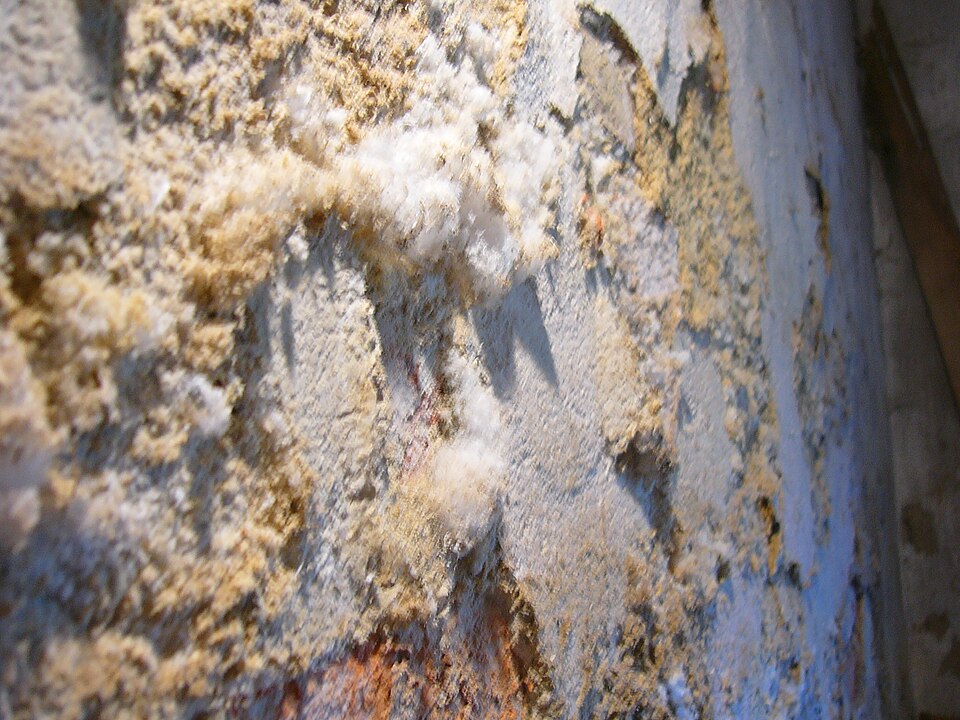
- White, chalky powder on the concrete. That's efflorescence: salts left behind when water passes through the wall and dries.
- Paint or coatings bubbling or peeling at the bottom of the walls
- Damp carpet or underlay, or flooring that's lifting
- Mould or dark stains on the bottom of drywall or on stored boxes
- Rust on the feet of appliances, shelving or the furnace
Is it condensation or seepage?
Here's a test that costs nothing. Tape a square of plastic wrap or aluminium foil, about 30 cm across, tight to the concrete wall on all four sides. Leave it for a day or two.
- Wet on the room side? The moisture is from the air. Humid air is condensing on the cool wall. That's condensation.
- Wet underneath, on the wall side? The water is coming through the concrete. That's seepage.
The fix is completely different for each, so the two days are worth it.
How do you fix condensation?
- Run a dehumidifier, and empty it or set it to drain so it keeps working.
- Make sure the dryer vents outside and the vent hose isn't leaking.
- Don't hang laundry to dry in the basement.
- Keep air moving. Don't pack boxes tight against the outside walls.
If the wall stays dry under the foil after that, you don't need a contractor.
How do you fix seepage?
Work from the cheapest fix to the most involved:
- Outside water first. Downspouts that empty well away from the house, eavestroughs that don't overflow, and soil that slopes away from the wall. These fix more wet basements than people expect.
- Check the sump pump. If you have one, make sure it runs. See sump pump installation.
- Seepage along the bottom of the walls usually means groundwater pressing up under the slab. The fix is interior waterproofing: a drain at the footing and a sump pump.
- Seepage across large areas of wall means water is soaking through the foundation itself. Exterior waterproofing stops it at the outside face.
If the drain around your footing has stopped working, read about weeping tile repair.
What happens if you leave it?
A damp basement doesn't stay a smell. Moisture behind drywall and under flooring is where mould grows, out of sight until it's well established. If you plan to finish the basement, fix the moisture before the walls go up.
What does wet basement repair cost?
It depends entirely on the cause. A dehumidifier or a downspout extension costs very little. HomeStars puts interior waterproofing at about $70 to $230 per linear foot of wall and exterior waterproofing at about $100 to $300. The full breakdown is in leaking basement repair cost.
We inspect for free, and a photo is usually enough for a first price. Crack injection is $750 to $1,000 per crack. Interior waterproofing starts at $85 per linear foot for the trench and concrete, with the drain, membrane and pump extra, and exterior waterproofing at $120 per linear foot for backfill and regrading (digging, membrane and weeping tile extra). All prices are plus HST.